
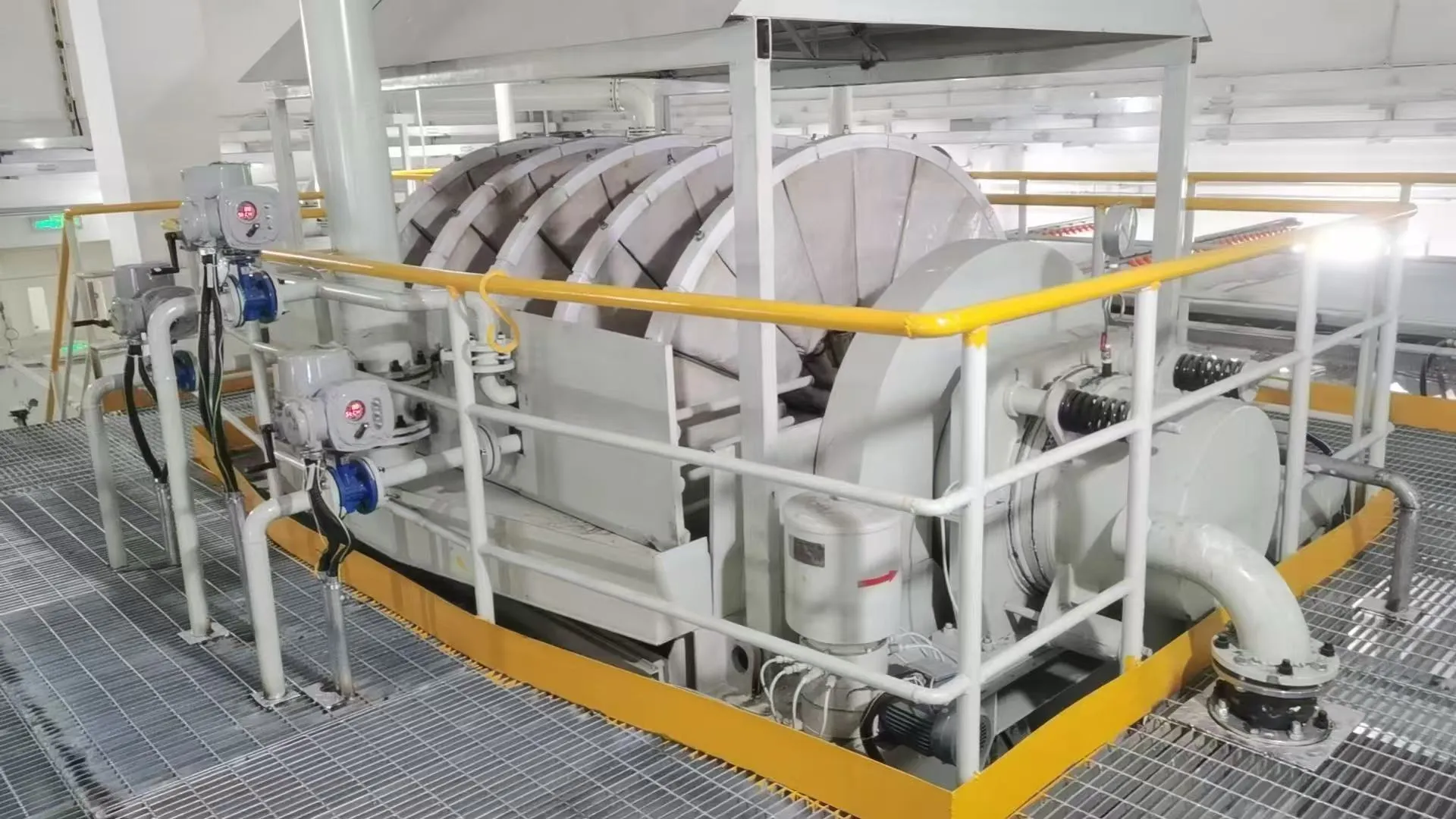
Commissioning is the point at which a newly installed vacuum disc filter becomes an operating production system. A good commissioning program does more than prove that the disc rotates. It verifies mechanical installation, utilities, instrumentation, interlocks, vacuum and filtrate circuits, slurry handling, cake discharge, and performance under controlled feed conditions.
Rushing directly to full production can hide installation defects and make troubleshooting difficult. A staged approach allows the team to confirm one system at a time, establish baseline readings, and train operators before the filter is exposed to normal process variability.
This checklist is a general planning guide. The equipment manufacturer’s manual, approved drawings, site procedures, and risk assessments always take priority.
Quick answer
Vacuum disc filter commissioning should progress through document review, mechanical inspection, line and instrument checks, interlock testing, dry rotation, utility testing, water commissioning, gradual slurry introduction, optimization, and an agreed performance test. Each stage should be signed off before the next begins so defects can be isolated safely and baseline operating data can be recorded.
Before field testing, confirm that the commissioning team has current copies of:
Mark all field changes on the drawings. An undocumented piping or valve change can cause confusion during startup and later maintenance.
Inspect the equipment while it is isolated and locked out. Check:
Rotate the equipment only using the approved method. Never place personnel inside the equipment envelope unless isolation and site confined-space or work-access requirements are satisfied.
Trace piping physically from source to destination. Confirm line size, material, slope, supports, flange gaskets, flexible connections, valve direction, and drain or vent location.
Pay particular attention to:
Remove construction blinds only under an approved plan, and verify that all required permanent strainers, non-return valves, and isolation valves are installed.
Electrical testing should include insulation checks, protective-device settings, earthing, motor nameplate verification, and local isolators. Confirm that motor rotation will be tested safely before the motor is coupled or before rotation could damage the equipment.
Loop-check every instrument from the field device to the control system. Important measurements commonly include:
Verify engineering units and ranges. A pressure transmitter configured in the wrong unit can look plausible while leading operators to an incorrect conclusion.
Test each permissive, trip, alarm, and emergency stop against the approved cause-and-effect matrix. Typical conditions may include:
Confirm both the field response and the control-room indication. Record the result, person performing the test, and any corrective action. Do not bypass an interlock simply to accelerate startup unless an authorized temporary-bypass procedure controls the risk.
With the trough empty and the area clear, jog the main drive to confirm correct direction. Then run at the lowest approved speed while observing:
Run the agitator separately under the manufacturer’s permitted dry-test condition. Some equipment should not operate dry for an extended period, so follow the specific manual.
Flush service-water lines before directing flow to nozzles or seals. Construction debris can block small openings immediately.
Check the cloth-wash system for pressure, flow, spray pattern, nozzle alignment, and leakage. Confirm that the spray reaches the intended media surface without striking seals, bearings, or electrical equipment.
For compressed-air blow-back, verify regulator settings, receiver capacity, valve timing, air quality, and drainage. Excessive pressure can damage media or create violent cake discharge; insufficient air can leave cake attached.
Where the approved procedure permits, use clean water to test receivers, pumps, piping, level controls, and drains before introducing slurry.
Verify:
A vacuum reading alone is not enough. Confirm that liquid is removed reliably and that receiver levels do not oscillate or flood.
Fill the trough with water to check leaks, level measurement, overflow elevation, drain function, and agitator loading. Rotate the filter and observe sector immersion, clearances, and discharge-zone behavior.
This test provides an opportunity to confirm that the trough level remains stable before slurry makes leaks and cleanup more difficult.
Start with a controlled, representative feed at a conservative rate. Confirm feed density in the laboratory and compare it with the online instrument. Keep a detailed log of:
Allow the circuit to stabilize before adjusting several variables. Change one major setting at a time where practical, then wait long enough to see the new steady condition.
Observe the full cycle. The cake should form uniformly as sectors pass through the slurry, remain intact through the drying zone, and discharge without excessive carryback.
Adjustment may involve:
Do not optimize cake moisture alone. Track dry-solids capacity, filtrate quality, air use, media condition, and discharge reliability at the same time.
The test should begin only after the circuit is mechanically complete, operators are trained, instruments are calibrated, and feed conditions fall within the agreed range.
Define in advance:
Use representative composite samples rather than relying on a single grab. Record raw data and calculation methods so both customer and supplier can reproduce the result.
Commissioning should produce a baseline for future troubleshooting. Retain normal readings for:
Photograph normal cake formation, discharge, spray coverage, and filtrate appearance. Months later, these records can help the maintenance team identify gradual deterioration.
Operators should understand normal startup, steady operation, controlled shutdown, emergency response, and the reasons behind important interlocks. Maintenance personnel should practice safe access, media inspection, lubrication, seal checks, and critical-spare replacement.
Close outstanding punch-list items, update drawings, record final settings, and hand over:
Commissioning is the first complete test of the filter, auxiliaries, controls, and people as one production system. A staged process reduces risk, makes defects easier to isolate, and creates the operating baseline needed for dependable performance.
Tongzhiren Filtration supplies vacuum disc filters, auxiliary systems, spare parts, and technical support for mineral dewatering projects. Contact our team during the project-planning stage to coordinate installation requirements, startup data, and performance testing.
| Info@tzrfiltration.com | |
| +86 139 1246 6955 |
What should be checked before starting a vacuum disc filter?
Confirm mechanical completion, lubrication, guards, sector and cloth installation, piping alignment, electrical protection, instrument calibration, vacuum and filtrate-system readiness, wash water, compressed air, and all required interlocks.
Why commission the filtrate system with water first?
Water testing can reveal leaks, incorrect valve routing, receiver-level problems, pump issues, and drainage faults before slurry makes diagnosis and cleanup more difficult. Follow the manufacturer’s approved sequence because not every component is designed for unrestricted water-only operation.
When is a vacuum disc filter ready for a performance test?
The circuit should be mechanically complete, stable, correctly calibrated, and operating with feed inside the agreed specification. Operators should be trained and the sampling, calculation, test duration, and acceptance criteria should be approved in advance.
Which commissioning records should the plant keep?
Keep inspection sheets, interlock results, calibration records, final control settings, normal operating readings, performance-test calculations, photographs of normal cake and filtrate, updated drawings, training records, and the closed punch list.